Traveling to high-altitude destinations can be an exhilarating experience, offering breathtaking landscapes and unique cultural experiences. However, one common challenge that many travelers face is altitude sickness.
Symptoms like headaches, dizziness, nausea, and fatigue can significantly impact your journey.
Many people seek natural remedies to alleviate these symptoms, and one of the most traditional solutions is coca tea. But does it really work? Let’s explore the history, benefits, and important considerations when using coca tea for altitude sickness.
Altitude sickness, also known as acute mountain sickness (AMS), occurs when your body struggles to adapt to the lower oxygen levels found at high elevations. It typically affects travelers who ascend too quickly to altitudes above 2,500 meters (8,200 feet).
Symptoms of altitude sickness can range from mild discomfort to severe complications such as high-altitude pulmonary edema (HAPE) or high-altitude cerebral edema (HACE), which require immediate medical attention.
The most effective way to prevent AMS is through gradual acclimatization, staying well-hydrated, and avoiding strenuous activity during the first days at high elevations.
Although scientific studies on coca tea’s effectiveness in treating altitude sickness are limited, its long-standing traditional use suggests several potential benefits:
Coca leaves contain alkaloids that act as mild stimulants, similar to caffeine. Drinking coca tea may help reduce fatigue and increase alertness, making it easier for travelers to cope with the reduced oxygen levels at high altitudes.
One of the key effects of coca tea is its potential to enhance oxygen uptake in the bloodstream. While not scientifically proven, many locals and travelers report feeling more energetic and less affected by altitude sickness after consuming coca tea.
Altitude can disrupt digestion and reduce appetite. Coca tea has been traditionally used as a digestive aid, helping to alleviate bloating, nausea, and indigestion, which are common complaints at high elevations.
Mild headaches are a common symptom of altitude sickness. Coca tea is believed to have mild analgesic properties that can help ease discomfort, though proper hydration and acclimatization remain the most effective strategies for preventing headaches at high altitudes.
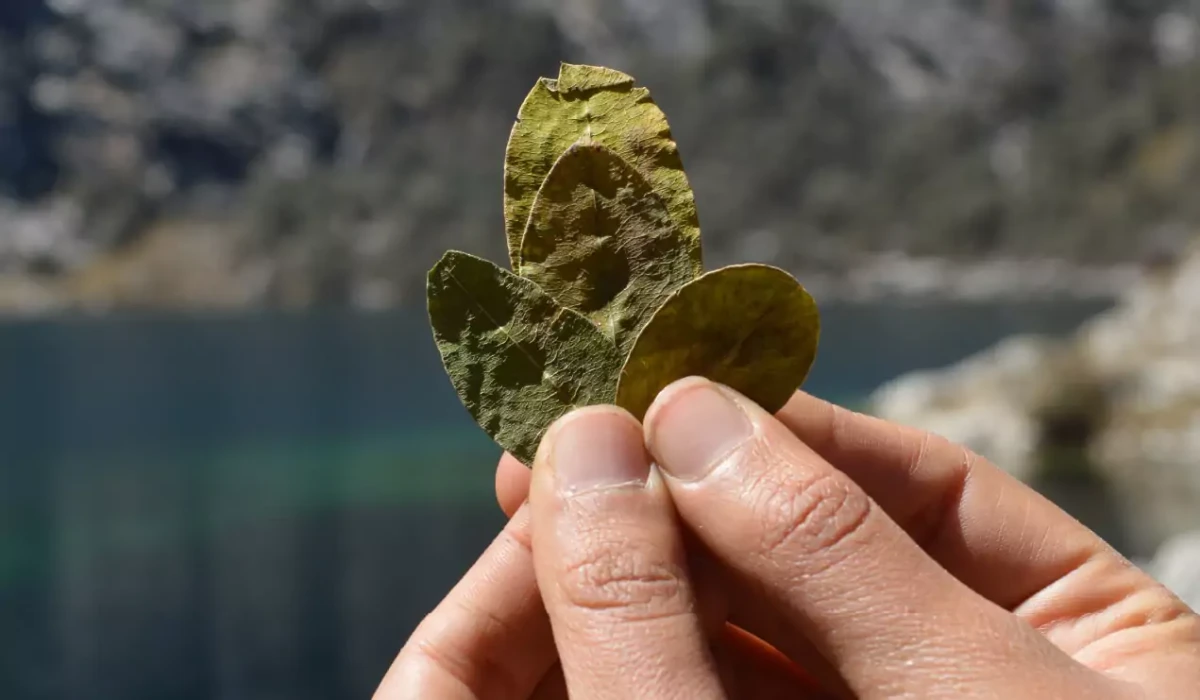
Coca tea, known as mate de coca, is an herbal infusion made from the leaves of the coca plant (Erythroxylum coca), which is native to the Andean regions of South America. Indigenous communities in Peru, Bolivia, and Ecuador have consumed coca leaves for centuries to combat fatigue, hunger, and the physical effects of high-altitude living.
The tea has a greenish-yellow color and a mild, earthy flavor, somewhat similar to green tea. Traditionally, Andean cultures chew coca leaves or brew them into tea to enhance stamina, improve digestion, and reduce symptoms of altitude sickness.
If you plan to use coca tea during your high-altitude travels, here are some best practices to follow:
To prepare coca tea, place a handful of dried coca leaves or a tea bag into a cup and pour hot water over it. Let it steep for about 5-10 minutes to release the beneficial alkaloids. The longer the tea steeps, the stronger its effects will be. Stir gently and enjoy the warm infusion. You can enhance the flavor by adding honey, lemon, or mint.
For best results, drink 2-3 cups of coca tea daily while adjusting to high altitude. If you’re a first-time user, start with a small amount to assess tolerance. Locals and experienced travelers often sip coca tea throughout the day to maintain its benefits.
To maximize its benefits, it is recommended to drink coca tea in the morning to help boost energy levels and enhance oxygen absorption. Additionally, consuming a cup before engaging in physical activities, such as hiking or sightseeing, can help prevent altitude-related fatigue. However, avoid drinking coca tea late at night, as its mild stimulant properties may interfere with sleep.
Coca tea works best when combined with other altitude sickness prevention strategies, such as proper hydration, rest, and a gradual ascent. Some travelers also pair it with high-antioxidant foods or herbal supplements like Ginkgo Biloba to further support circulation and oxygenation at high elevations.
Coca tea has been used for centuries by Andean cultures to combat altitude-related discomfort, and many travelers report feeling relief from symptoms of altitude sickness after drinking it. However, its legal status, potential to cause positive drug tests, and limited scientific evidence mean that travelers should approach its use with caution.
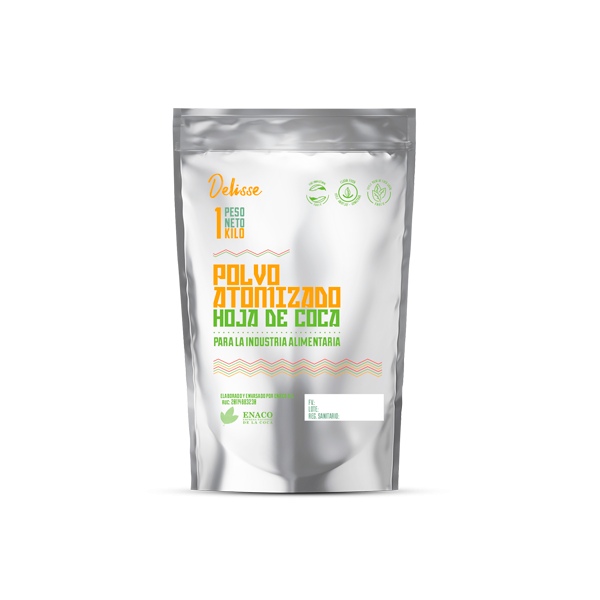
For those visiting high-altitude destinations, it’s essential to prioritize acclimatization, hydration, and gradual ascent as primary strategies for avoiding altitude sickness. If you’re looking for authentic coca tea from Peru, Canada Coca Leaf offers premium-quality products sourced directly from local farming communities. Order today and experience the benefits of this traditional Andean remedy!